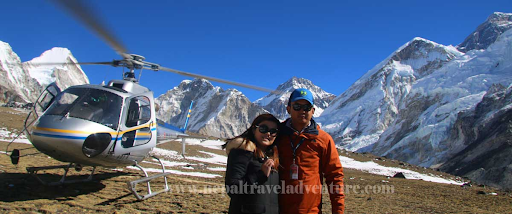
Nepal, the land of the Himalayas, is a paradise for trekkers and adventurers from all over the world. Among its many celebrated trekking routes, two stand out for their breathtaking beauty and unique experiences—the Everest Base Camp Trek with Helicopter Return and the **Annapurna Base Camp Trek**. While both offer stunning mountain views and cultural encounters, they appeal to different types of travelers. Together, they represent the essence of trekking in Nepal: adventure, culture, and awe-inspiring landscapes.
Everest Base Camp Trek with Helicopter Return: A Premium Adventure
The **Everest Base Camp Trek with Helicopter Return** is a blend of classic trekking adventure and modern luxury. Traditionally, the trek to Everest Base Camp (5,364m) involves a two-week round trip. However, with the helicopter return option, trekkers can enjoy the challenging ascent to base camp and then skip the long descent by flying back to Kathmandu or Lukla in style.
Key Highlights of the Everest Base Camp Trek with Helicopter Return:**
1. Scenic Flight Back: The helicopter ride provides a once-in-a-lifetime aerial view of Mount Everest, Lhotse, Nuptse, and Ama Dablam. It also saves 3–4 days of trekking.
2. Everest Base Camp Achievement: Reaching the base camp of the world’s highest mountain is a bucket-list experience for many adventurers.
3. Kala Patthar (5,545m): Known for its sunrise view over Everest, Kala Patthar is one of the most iconic viewpoints in the Khumbu region.
4. Sherpa Culture: Along the way, trekkers pass through villages like Namche Bazaar and Tengboche, experiencing Sherpa hospitality and visiting historic monasteries.
5. Time Efficiency: Ideal for trekkers who want to experience Everest Base Camp but have limited time or want to avoid retracing the descent route.
This trek combines the physical challenge of reaching Everest Base Camp with the comfort and thrill of a helicopter ride, making it a unique adventure for those seeking both authenticity and convenience.
Annapurna Base Camp Trek: Into the Heart of the Himalayas
The Annapurna Base Camp Trek is another world-class adventure, but with a different charm. Located in central Nepal, this trek leads directly to the base of Annapurna I (8,091m), the 10th highest peak in the world.
**Key Highlights of the Annapurna Base Camp Trek:**
1. Annapurna Sanctuary The trek culminates at Annapurna Base Camp (4,130m), a natural amphitheater surrounded by massive peaks including Machapuchare, Hiunchuli, and Annapurna South.
2. Moderate Duration: Typically lasting 7–12 days, this trek is shorter and more accessible than the Everest Base Camp journey.
3. Cultural Encounters: Passing through traditional Gurung and Magar villages such as Ghandruk and Chhomrong allows trekkers to engage with local culture and hospitality.
4. Varied Landscapes: From terraced rice fields and lush rhododendron forests to alpine meadows, the trail offers diverse scenery throughout.
5. Accessible Yet Rewarding: Though less strenuous than the Everest trek, the Annapurna Base Camp Trek still offers dramatic mountain vistas and a sense of accomplishment.
This trek is ideal for trekkers who want a balance of cultural immersion, stunning mountain views, and a manageable itinerary.
Comparing the Two Treks
Both treks offer unforgettable experiences, but they cater to different types of travelers.
Altitude: Everest Base Camp reaches 5,364m, while Annapurna Base Camp tops at 4,130m, making Annapurna less demanding in terms of altitude.
Duration: The Everest trek usually takes 12–14 days, but with the helicopter return option, it can be shortened. Annapurna can be completed in 7–12 days.
Cultural Experience: Everest offers insights into Sherpa culture, while Annapurna showcases Gurung and Magar traditions.
Scenery: Everest boasts iconic views of the world’s tallest peaks, while Annapurna provides a more intimate mountain experience in the sanctuary.
Adventure Level: Everest Base Camp is more challenging due to higher altitude and longer distance. Annapurna is moderately challenging and accessible to a wider range of trekkers.
Preparation Tips
Best Seasons: Spring (March–May) and Autumn (September–November) offer clear skies and comfortable weather for both treks.
Permits: Annapurna requires an ACAP (Annapurna Conservation Area Permit) and TIMS card. Everest requires a Sagarmatha National Park permit and a Khumbu Pasang Lhamu Rural Municipality permit.
Guides and Porters: Hiring local guides and porters enhances safety, supports the local economy, and provides cultural insights.
Fitness: Both treks require good physical conditioning, though Everest demands higher endurance due to altitude.
Conclusion
Both the Everest Base Camp Trek with Helicopter Return and the Annapurna Base Camp Trek offer unforgettable Himalayan adventures, yet they deliver very different experiences. Everest provides the thrill of standing at the base of the world’s highest mountain, enhanced by a scenic helicopter return that combines convenience with luxury. Annapurna, on the other hand, offers a shorter, more culturally immersive trek with equally stunning views in the heart of the Himalayas.
Whether you choose the iconic Everest adventure with a helicopter finale or the serene beauty of Annapurna Base Camp, both treks promise memories that will last a lifetime. For passionate trekkers, experiencing both is the ultimate way to discover the diverse wonders of Nepal.
 Trevelin